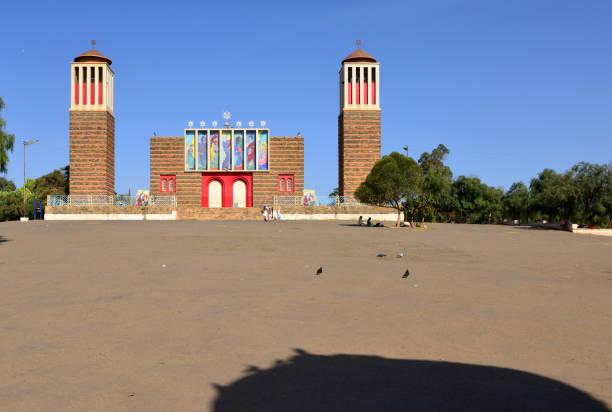
Asmara, Eritrea: Saint Mary / Enda Mariam Coptic Cathedral, built in 1920 and modified in 1938, rationalist / modernist style by architect Ernesto Gallo and civil engineer Odoardo Cavagnari – designed with a main hall and two free-standing bell towers – aesthetics and material of vernacular styles shown in the alternate layers of brick and stone, evoking the layers of wood and stone of Aksumite architecture, ‘monkey heads’ technique – Arbate Asmara Street – Eritrean Orthodox Tewahedo Church – Asmera, a Modernist City of Africa – UNESCO World Heritage Site
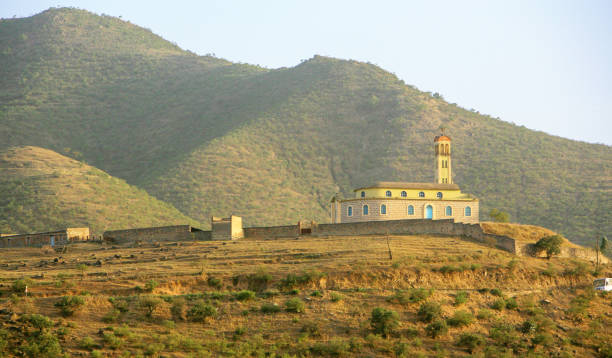
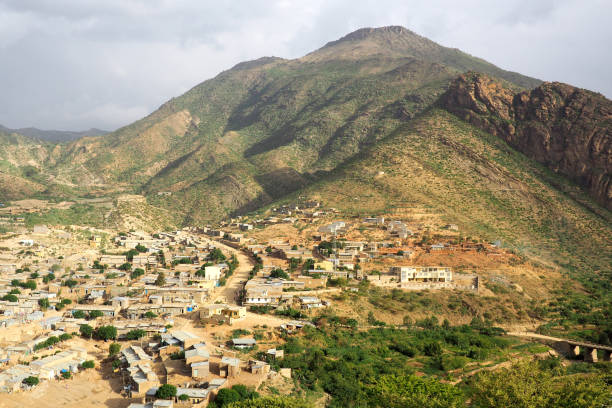
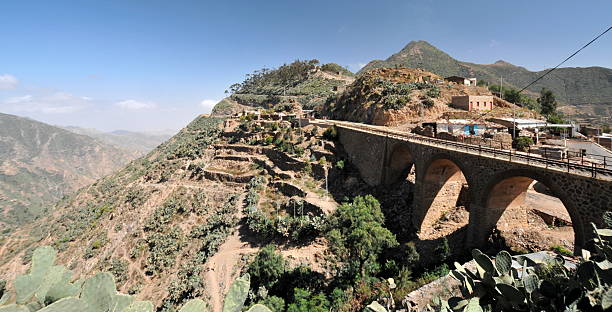
Villages in the mountains around Asmara, the capital city of Eritrea. Asmara is located in a high plateau, part of the Great Rift Valley, at 2,325 m. Asmara is famous for its laid back atmosphere and its well-preserved modernist and art-deco architecture of churches, synagogues, cafes and public buildings inherited from its period under Italian colonial rule. In 1939 over 50,000 Italian nationals lived in the city that was known as “Little Rome”. Today more than 400 buildings of Italian origin remain. In 2017, Asmara was declared a UNESCO World Heritage Site as an exceptional example of early modernist urbanism applied in an African context.
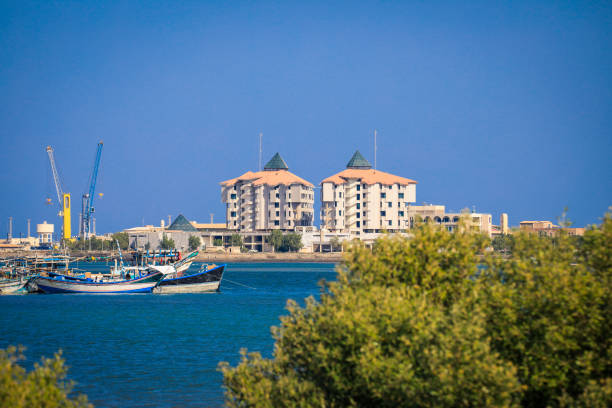
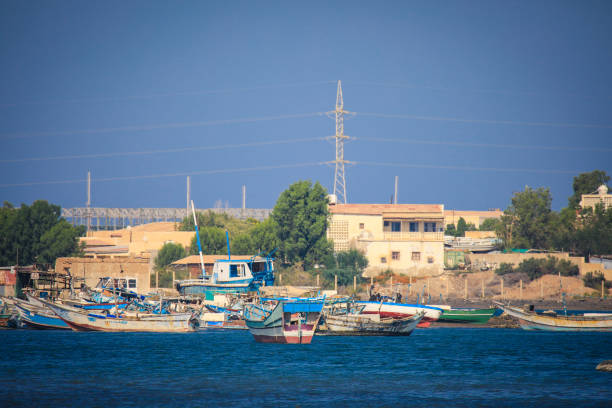
Nice View to the Blue Water Port in the Massawa, Eritrea
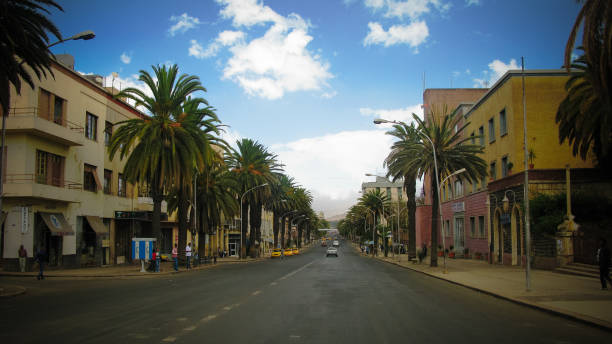
At the central streets of Asmara, Capital of Eritrea
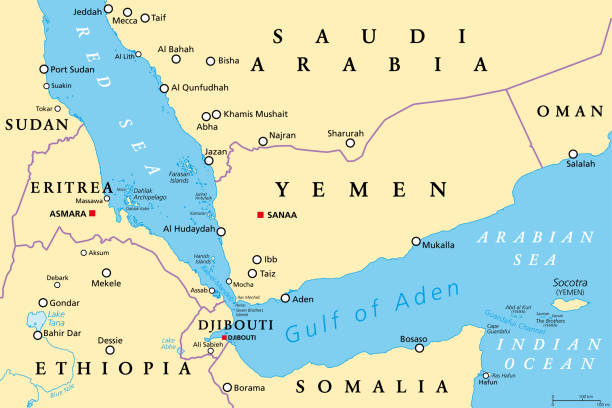
Gulf of Aden area, political map. Deepwater gulf between Yemen, Djibouti, the Guardafui Channel, Socotra and Somalia, connecting the Arabian Sea through the Bab-el-Mandeb strait with the Red Sea.
Ethiopian border town of Dewhan, on Ethiopian Eritrean border
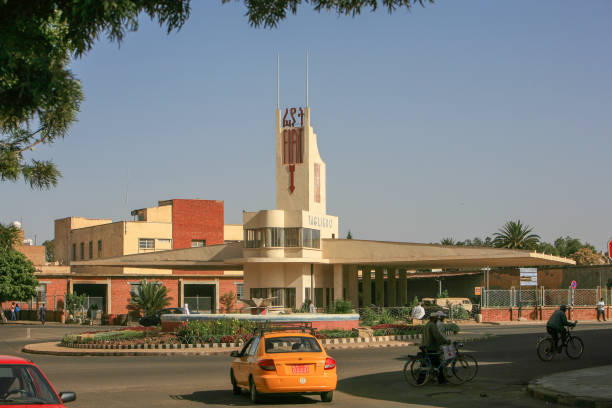
Asmara, Eritrea – Mai 11, 2011: The Fiat Tagliero Building, an iconic Art Deco-style building, in Asmara, the capital city of Eritrea. The building is a futurist-style service station resembling an airplane completed in 1938 and designed by the Italian engineer Giuseppe Pettazzi. Asmara is located in a high plateau, part of the Great Rift Valley, at 2,325 m. Asmara is famous for its laid back atmosphere and its well-preserved modernist and art-deco architecture of churches, synagogues, cafes and public buildings inherited from its period under Italian colonial rule. In 1939 over 50,000 Italian nationals lived in the city that was known as “Little Rome”. Today more than 400 buildings of Italian origin remain. In 2017, Asmara was declared a UNESCO World Heritage Site as an exceptional example of early modernist urbanism applied in an African context.
Nice View to the Blue Water Port in the Massawa, Eritrea
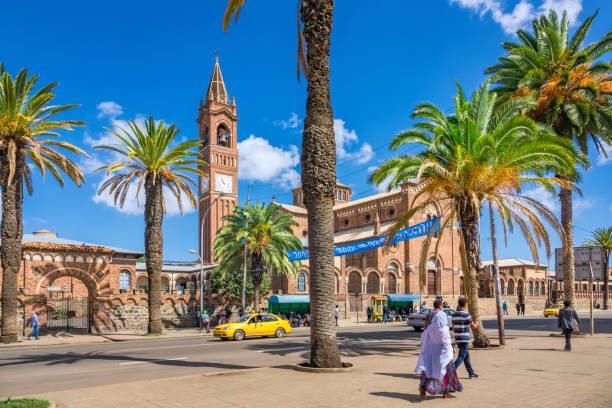
Pedestrians walk in front of the Church of Our Lady of the Rosary in central Asmara, the capital of Eritrea, East Africa on a sunny day.
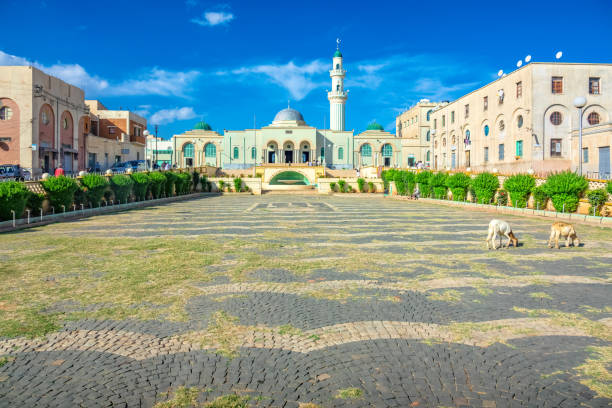
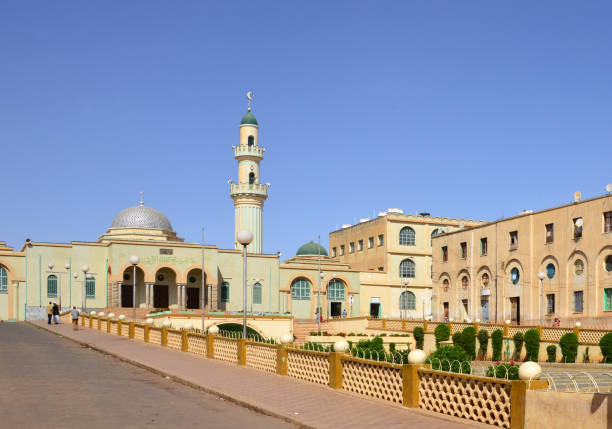
The Great Mosque of Asmara in downtown Asmara, Eritrea, East Africa on a sunny day.
Landscape on road from Asmara to Masawa, Eritrea
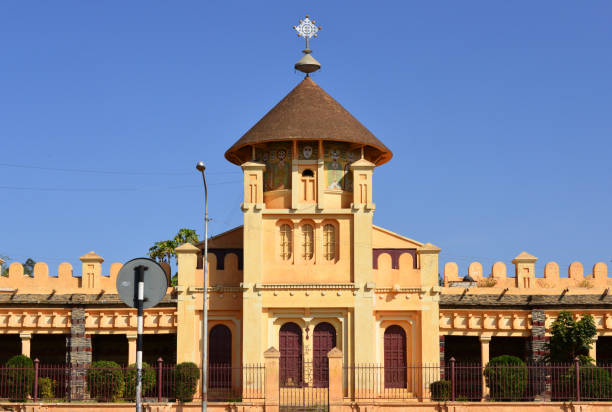
Asmara, Eritrea: Degghi Selam Chapel, built in 1917, designed by the Civil Engineer Odoardo Cavagnari, author of master plans for Asmara and Massawa – houses the Orthodox Christian Church School – the central tower has at the top a reproduction of the traditional tukul house of the Eritrean and Ethiopian highlands and the columns display the ‘monkey head’ building technique – compound of the Enda Mariam Coptic Cathedral – Arbate Asmara Street, Petros Square (Largo Somalia) – Eritrean Orthodox Tewahedo Church – Asmera, a Modernist City of Africa – UNESCO World Heritage Site
Asmara, Eritrea: Great Mosque of Asmara, Al Kulafah Al Rashidan (Salem Street / Via Piemonte), it was built in 1938 (Anno XVI E.F.) on the initiative of Benito Mussolini, architect Guido Ferrazza – the Mosque’s square facing Nakfa Avenue / Corso del Re is the ablutions area – the current mosque replaced a more modest building and was part of the 1938 urban plan of Asmara by Vittorio Cafiero, granting the Muslim a noble and spacious downtown location – Asmera, a Modernist City of Africa – UNESCO World Heritage Site.
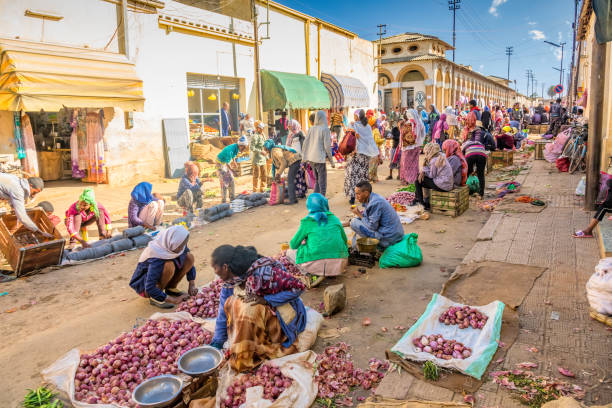
People buy and sell at the market in central Asmara, the capital of Eritrea, East Africa, on a sunny day.
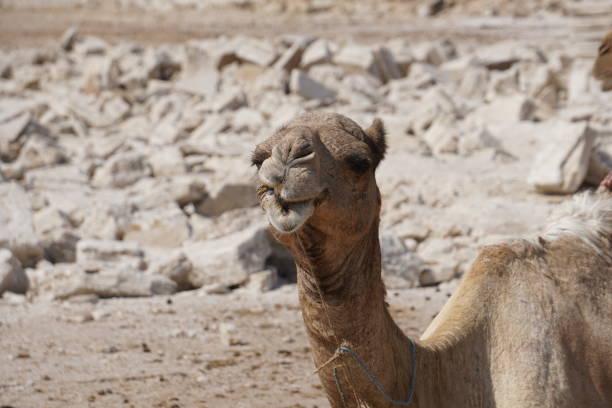
A resting camel
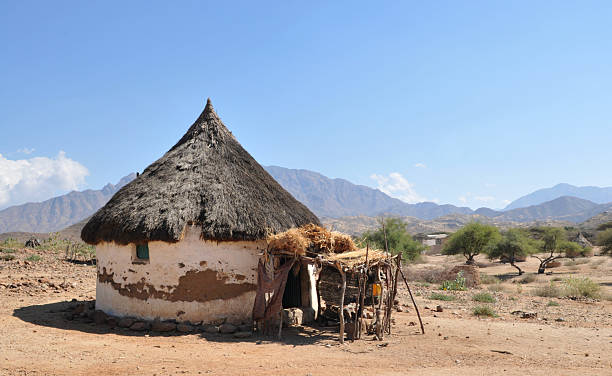
Eritrea Traditional African Hut, between Keren and Asmara